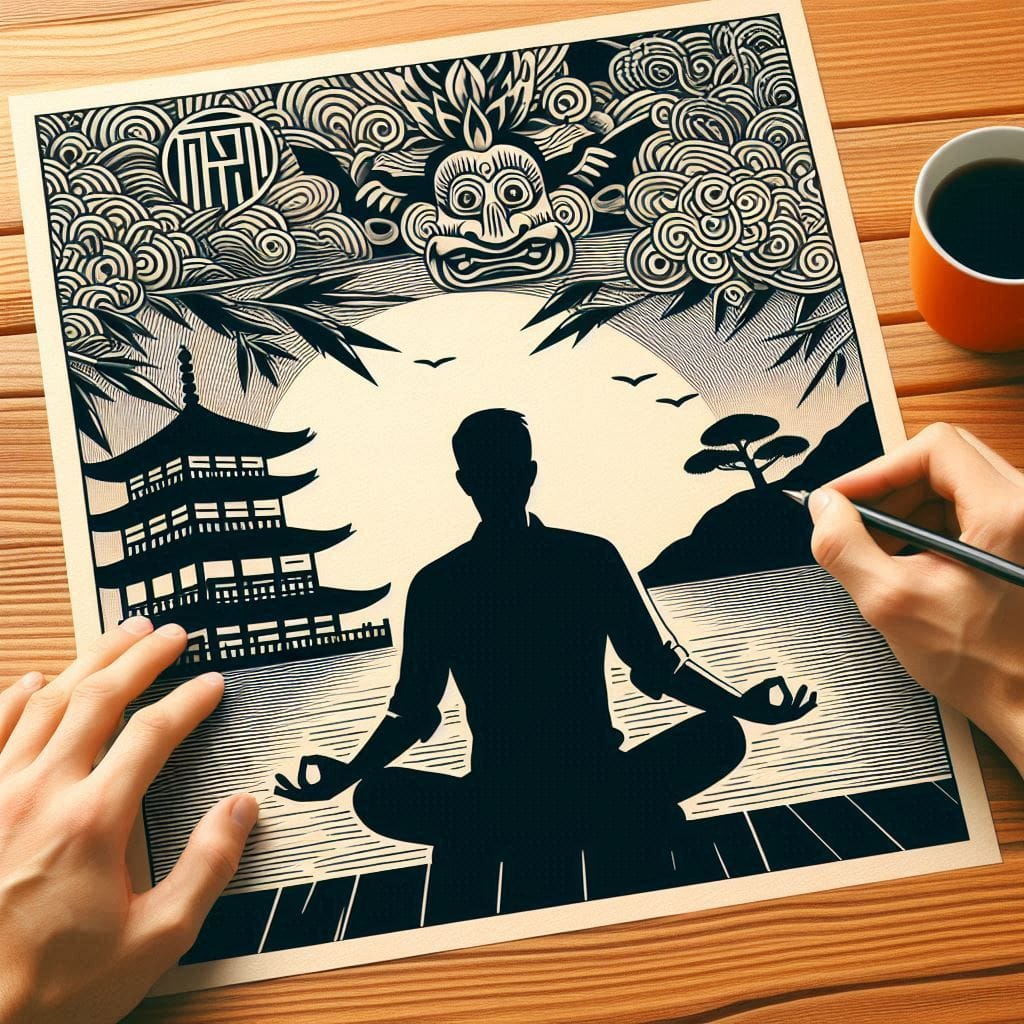
Balance Is Everything: The Cornerstone for Building Genuine Connections
In a world of constant demands and endless distractions, the pursuit of balance often feels like an elusive dream. Yet, the concept of equilibrium—not as a static state, but as a dynamic dance—is profoundly vital for our well-being and, crucially, for our capacity to foster meaningful relationships. This article explores why balance is not merely a desirable state, but the foundational principle upon which we can truly thrive and succeed in building genuine connections that enrich our lives.
At its core, balance is the strategic allocation of our finite resources—time, energy, and attention—across the various domains of our existence. Achieving this dynamic harmony allows us to show up fully, authentically, and with the necessary emotional reserves to engage deeply with others. It’s about creating a sustainable rhythm that supports both personal flourishing and the cultivation of profound, authentic relationships.
The Elusive Nature of Balance: More Than Just Evenly Split
Many perceive balance as a perfect 50/50 split, an equal distribution across all aspects of life. However, this rigid view often leads to frustration. True balance is far more fluid, a continuous adjustment and re-prioritization based on life’s ever-changing demands and our personal values. It’s about finding harmony amidst competing priorities, ensuring no single area consistently depletes or dominates at the expense of others.
When we are internally imbalanced, our capacity to connect authentically with others diminishes. A person overwhelmed by work, for instance, may struggle to be present for their family or friends. Similarly, someone neglecting their personal health might find their energy too low for meaningful social engagement. Recognizing balance as a dynamic equilibrium—a state of adaptable harmony—is the first step towards harnessing its power for deeper connections.
Core Dimensions of Balance for Building Genuine Connections
Achieving balance requires attention to several key areas of life. Neglecting any one of these can create ripple effects that hinder our ability to relate meaningfully to others.
Self-Care and Personal Well-being
This is the bedrock. Physical health (sleep, nutrition, exercise), mental clarity (mindfulness, reflection), and emotional resilience are crucial. When we are well-rested, nourished, and emotionally regulated, we have a greater capacity for empathy, patience, and generosity—all vital ingredients for genuine connection.
- Physical Health: Adequate sleep, nutritious food, and regular physical activity provide the energy required for both personal pursuits and social interaction.
- Mental Well-being: Practicing mindfulness, engaging in hobbies, and setting aside time for quiet reflection helps maintain mental clarity and reduces stress.
- Emotional Resilience: Learning to process emotions, manage stress, and bounce back from setbacks ensures we approach interactions from a place of strength, not depletion.
Professional Engagement and Purpose
Work provides purpose, financial stability, and often, a sense of contribution. However, an overemphasis on career without boundaries can lead to burnout, stress, and a lack of availability for personal relationships. Balancing professional ambition with personal life ensures that work is a source of fulfillment, not exhaustion, allowing us to bring our best selves to our connections.
- Setting Boundaries: Clearly defining work hours and responsibilities prevents professional life from encroaching on personal time.
- Finding Purpose: Aligning work with personal values can make it a source of energy rather than drain.
- Avoiding Burnout: Regular breaks, vacations, and disconnecting from work communications are essential for sustained performance and personal well-being.
Social Connection and Relational Depth
Ironically, this dimension of balance is often neglected when other areas feel overwhelming. Consciously allocating time and energy to cultivate existing relationships and seek new ones is paramount for building genuine connections. This involves being present, actively listening, and investing in shared experiences.
- Quality Over Quantity: Focus on nurturing a few deep relationships rather than many superficial ones.
- Active Presence: Put away distractions (phones, tasks) and fully engage when spending time with others.
- Meaningful Shared Experiences: Plan activities that foster connection, whether it’s a shared meal, a walk, or a common interest.
Balance as the Foundation for Genuine Connection
The link between personal balance and the ability to forge deep, authentic relationships is undeniable. A balanced individual is inherently better equipped to be a good partner, friend, family member, or colleague.
- Authenticity: When balanced, we are less likely to put on a facade. We can be our true selves, which is the cornerstone of genuine connection.
- Presence: With a clear mind and managed stress, we can be fully present in conversations and interactions, making others feel heard and valued.
- Empathy: A well-regulated individual has the emotional capacity to understand and share the feelings of another.
- Resilience: Balanced individuals are better at navigating the inevitable challenges and conflicts in relationships, approaching them with a calm and constructive mindset.
| Aspect of Connection | Balanced Approach | Imbalanced Approach |
|---|---|---|
| Time Allocation | Prioritizes dedicated, quality time for relationships. | Time for relationships is sporadic, often interrupted or cancelled. |
| Emotional Availability | Present, empathetic, and open to emotional exchange. | Distant, distracted, or easily overwhelmed by others’ emotions. |
| Conflict Resolution | Approaches disagreements calmly, seeks mutual understanding. | Reacts defensively, avoids conflict, or escalates arguments. |
| Authenticity | Shares true self, vulnerabilities, and aspirations. | Hides true feelings, wears masks, fears judgment. |
The Downside: When Balance Falters
Ignoring the need for balance can have severe repercussions, not just for personal well-being but also for the health of our relationships:
- Stress and Burnout: Constant pressure without relief leads to exhaustion, irritability, and a reduced capacity for positive interaction.
- Strained Relationships: Neglect, lack of presence, and emotional unavailability erode trust and intimacy over time.
- Reduced Productivity and Creativity: An imbalanced life often means diminished focus and innovation in professional and personal projects.
- Loss of Self: When one area dominates, personal identity can become intertwined with that single role, leading to a loss of self-awareness and fulfillment.
Practical Steps Towards Achieving and Maintaining Equilibrium
Cultivating balance is an ongoing journey, not a fixed destination. It requires consistent effort and self-awareness.
- Self-Assessment: Regularly evaluate where your time and energy are currently going versus where you want them to go. Identify areas of significant imbalance.
- Prioritization: Determine your core values and priorities. Not everything can be equally important all the time. Learn to say “no” to things that don’t align with your deepest values.
- Boundary Setting: Establish clear boundaries between work and personal life, and between your own needs and the demands of others. Communicate these boundaries effectively.
- Schedule Intentional Downtime: Actively plan for rest, relaxation, and self-care. Treat these appointments with yourself as non-negotiable.
- Practice Mindfulness and Reflection: Regular check-ins help you stay aware of your internal state and adjust course before significant imbalance occurs. Journaling, meditation, or simply quiet contemplation can be powerful tools.
- Embrace Flexibility and Adaptation: Life is dynamic. Be prepared to adjust your balance as circumstances change (e.g., new job, family responsibilities).
- Seek Support: Don’t hesitate to lean on your support network, whether it’s friends, family, or a professional coach/therapist, when you’re struggling to find your footing.
Frequently Asked Questions About Balance and Connection
Is perfect balance truly achievable?
No, “perfect” balance is a myth. Life is full of shifts and changes. The goal is dynamic balance – the ability to continually adjust and re-prioritize to maintain a sense of harmony and well-being, rather than a static, unachievable ideal.
How does technology impact our ability to find balance and connect genuinely?
Technology is a double-edged sword. It can facilitate connection across distances but also create constant distractions and the illusion of connection without true depth. Balanced use involves setting digital boundaries, practicing digital detoxes, and consciously choosing to use technology as a tool for connection rather than a replacement for in-person interaction.
What’s the first step if I feel completely off-balance and disconnected?
Start small. Identify one area where you feel most depleted (e.g., lack of sleep, overwhelming work). Commit to one small, consistent change in that area. For example, aim for 30 minutes less screen time before bed, or schedule a 15-minute walk daily. Small wins build momentum and confidence for further adjustments, paving the way for building genuine connections.
Embracing the Dynamic Dance of Balance
Ultimately, balance is not a destination but a continuous journey of self-awareness, adjustment, and intentional living. It’s the art of harmonizing the various facets of our lives so that each can flourish without undermining the others. By actively pursuing and maintaining this dynamic equilibrium, we not only enhance our personal well-being but also cultivate the essential capacity for building genuine connections.
These connections, rooted in authenticity, presence, and mutual respect, are the true markers of a rich and fulfilling life. Prioritizing balance means prioritizing the depth and quality of our human experience, allowing us to engage with the world and those around us from a place of strength, serenity, and profound connection.