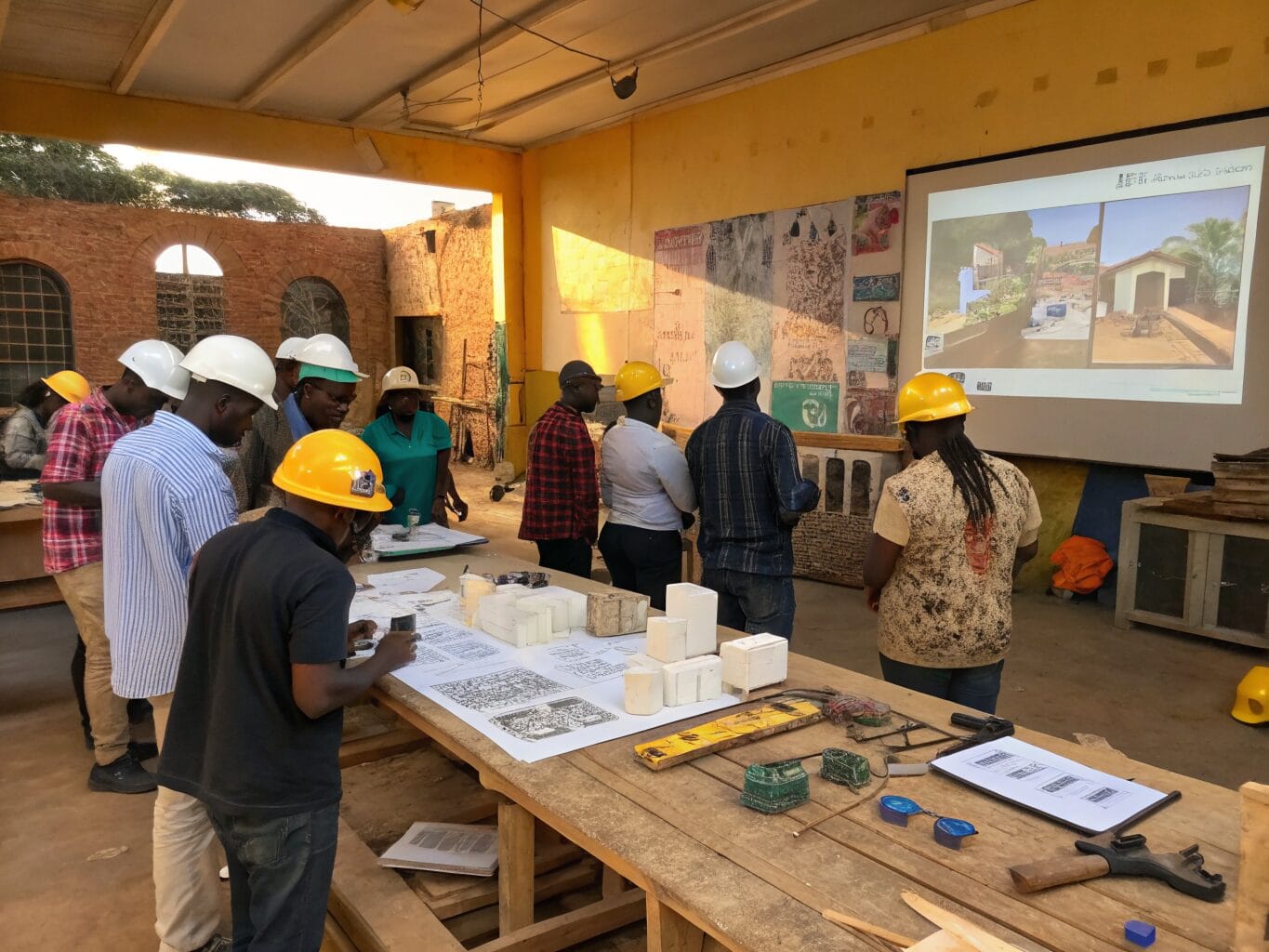
Ghana’s Construction Sector Outlook for 2025 and Beyond
Ghana’s construction sector stands as a pivotal engine for economic growth and infrastructure development. As the nation progresses, understanding the future trajectory of this sector is crucial for investors, policymakers, and industry stakeholders seeking to capitalize on emerging opportunities. This article delves into the projected outlook for Ghana’s construction industry from 2025 onwards, highlighting key drivers, challenges, opportunities, and strategic recommendations for sustained growth and profitability.
Current Landscape: A Foundation for Growth
The Ghanaian construction sector has demonstrated remarkable resilience and significant potential in recent years. It has been primarily driven by substantial government investments in infrastructure, a rapidly growing urban population, and increasing foreign direct investment. While challenges such as inflation, high interest rates, and currency depreciation have intermittently impacted project costs and investor confidence, the fundamental demand for housing, commercial spaces, and critical national infrastructure remains robust and long-term.
Key Performance Indicators (Recent Trends)
- **GDP Contribution:** The construction sector consistently contributes a notable percentage to Ghana’s national Gross Domestic Product, signaling its economic importance.
- **Employment Generation:** It serves as a major employer, both directly and indirectly, creating numerous jobs across its extensive supply chain, from raw material extraction to skilled labor.
- **Ongoing Infrastructure Projects:** Significant ongoing and recently completed projects span roads, ports, airports, energy facilities, and digital connectivity, laying a strong foundation for future expansion.
Drivers of Growth for Ghana’s Construction Sector Outlook (2025 and Beyond)
Several compelling factors are set to propel Ghana’s construction sector forward into the mid-term and long-term future, shaping a largely optimistic outlook.
1. Government Infrastructure Agenda
The government’s commitment to infrastructure development remains a primary catalyst. Initiatives like “Ghana Beyond Aid” emphasize self-reliance and local infrastructure development, fostering a pipeline of projects.
- **Road Network Expansion:** Continuous investment in trunk roads, urban roads, and interchanges aims to improve connectivity, reduce travel times, and facilitate trade across regions.
- **Ports and Airports Upgrade:** Modernization and expansion projects at critical gateways like Tema Port and Kotoka International Airport are enhancing Ghana’s position as a regional trade and logistics hub.
- **Energy Sector Projects:** Development of renewable energy sources (solar, hydro) and expansion of transmission infrastructure are crucial for industrial growth and national energy security.
- **Digital Infrastructure:** Investment in fiber optics, data centers, and rural connectivity projects supports the nation’s burgeoning digital economy and smart city initiatives.
2. Urbanization and Housing Demand
Rapid demographic shifts and population growth continue to fuel demand in the residential and commercial sub-sectors.
- **Rapid Urbanization:** Major cities such as Accra, Kumasi, and Takoradi continue to experience significant rural-urban migration, driving demand for new residential units and commercial facilities.
- **Housing Deficit:** Ghana faces a substantial national housing deficit, creating immense long-term demand for diverse housing solutions, including affordable, middle-income, and high-end properties.
- **Mixed-Use Developments:** A growing trend towards integrated residential, commercial, retail, and recreational spaces is evident, catering to modern urban lifestyles.
3. Private Sector Investment & Foreign Direct Investment (FDI)
The increasing involvement of private capital, both local and international, is vital for the sector’s expansion.
- **Foreign Direct Investment (FDI):** Ghana remains an attractive destination for international developers and contractors, particularly for large-scale commercial, retail, and luxury residential projects.
- **Public-Private Partnerships (PPPs):** Increased government reliance on PPP models to finance and execute major infrastructure projects offers significant and structured opportunities for private firms, both local and international.
- **Local Content Development:** Policy initiatives to empower local contractors and suppliers are fostering indigenous growth and building domestic capacity within the construction value chain.
4. Resource-Based Industry Expansion
Growth in Ghana’s natural resource sectors indirectly stimulates construction demand.
- **Mining Sector:** Continued demand for infrastructure to support mining operations, including roads, processing plants, administrative buildings, and logistics facilities.
- **Oil and Gas:** Infrastructure requirements related to upstream (offshore platforms, onshore support bases) and downstream (refineries, storage facilities) activities.
Emerging Opportunities and Trends in Ghana’s Construction
Beyond the primary growth drivers, specific trends are shaping the future operational landscape and creating new niches within Ghana’s construction sector.
- **Sustainable Construction:** There’s an increasing focus on green building practices, energy efficiency, and the use of local, sustainable building materials. Demand for certified green buildings (e.g., LEED, EDGE) is slowly but steadily rising, especially in commercial and institutional projects.
- **Smart Cities Initiatives:** Pilot projects and growing interest in leveraging technology for urban planning, traffic management, waste management, and building automation present future opportunities for specialized construction.
- **Modular and Prefabricated Construction:** The potential for faster, more cost-effective, and quality-controlled housing delivery, particularly for addressing the affordable housing deficit, is gaining recognition.
- **Digital Transformation:** Adoption of Building Information Modeling (BIM), drones for surveying and progress monitoring, and advanced project management software are enhancing efficiency, reducing waste, and improving collaboration across projects.
Challenges and Risks for the Outlook
Despite the optimistic outlook, the sector faces several hurdles that need careful navigation for sustainable growth.
- **Economic Volatility:** High inflation, interest rate fluctuations, and currency depreciation significantly impact project costs, financing viability, and overall investor confidence.
- **Funding & Financing:** Access to affordable, long-term financing remains a significant challenge for many local contractors, limiting their capacity for large-scale projects.
- **Material Costs and Supply Chain:** Heavy reliance on imported materials makes projects vulnerable to global supply chain disruptions, international price volatility, and adverse exchange rate movements.
- **Skilled Labor Shortage:** A noticeable gap exists in specialized skills, particularly in modern construction technologies, sophisticated project management, and critical trades.
- **Regulatory Environment:** Bureaucracy, delays in obtaining permits, and inconsistencies in regulatory enforcement can prolong project timelines and increase costs.
- **Informal Sector Dominance:** A large, often unregulated informal segment in construction can complicate standardization, quality control, and adherence to safety protocols.
| Factor | Opportunities (2025+) | Challenges (Current/Ongoing) |
|---|---|---|
| **Government Policy** | Increased infrastructure spending, PPP models, local content promotion. | Bureaucratic delays, inconsistent policy implementation, procurement complexities. |
| **Market Demand** | High housing deficit, rapid urbanization, commercial and industrial expansion. | Affordability gap for housing, fluctuating consumer purchasing power. |
| **Technology Adoption** | BIM, modular construction, green building practices, smart city solutions. | High initial investment costs, lack of skilled personnel for new technologies. |
| **Finance** | Growing interest from international development banks, FDI inflows, structured PPPs. | High local interest rates, limited access to long-term capital for local firms, currency risk. |
| **Materials** | Development of local material industries, sustainable alternatives, import substitution. | Reliance on imports, currency depreciation impact on costs, global supply chain volatility. |
Strategic Recommendations for Sustainable Growth
To fully capitalize on the projected growth and mitigate inherent risks, several strategic interventions are crucial for all stakeholders.
For Government & Policymakers:
- **Stabilize Macroeconomic Environment:** Implement consistent fiscal and monetary policies to control inflation, stabilize the Cedi, and foster a predictable economic climate.
- **Streamline Regulatory Processes:** Simplify and expedite permits, approvals, and land acquisition processes to reduce project delays and attract more investment.
- **Promote Local Content & Capacity Building:** Invest in technical and vocational training, provide incentives for local contractors, and enforce local content policies effectively.
- **Enhance PPP Frameworks:** Develop more attractive, transparent, and robust PPP frameworks to de-risk projects and draw significant private sector participation.
- **Incentivize Green Building:** Offer tax breaks, subsidies, or preferential financing for sustainable construction projects and the use of eco-friendly local materials.
For Industry Stakeholders & Investors:
- **Embrace Technology:** Invest in Building Information Modeling (BIM), modular construction, project management software, and other digital tools to improve efficiency, reduce waste, and enhance project delivery.
- **Focus on Sustainability:** Integrate green building principles, energy-efficient designs, and explore the greater use of local, sustainable materials to meet evolving market demands and regulatory expectations.
- **Strategic Partnerships:** Form alliances with international firms for knowledge transfer, access to advanced technology, and diversified capital sources, while also fostering collaboration with local suppliers.
- **Talent Development:** Invest in continuous training and upskilling programs for the workforce, focusing on modern construction techniques, digital literacy, and specialized trade skills.
- **Robust Risk Management:** Develop comprehensive strategies to identify, assess, and mitigate economic, operational, and environmental risks inherent in construction projects.
Frequently Asked Questions (FAQs)
- What is the primary driver of construction growth in Ghana?
- The primary drivers are significant government infrastructure spending (roads, ports, energy), combined with rapid urbanization and the persistent national housing deficit.
- Are there opportunities for foreign investors in Ghana’s construction sector?
- Yes, significant opportunities exist, particularly through Public-Private Partnerships (PPPs) in large-scale infrastructure projects, and in commercial/residential developments catering to the growing middle class and luxury segments.
- What are the main risks for construction projects in Ghana?
- Key risks include macroeconomic instability (inflation, currency depreciation), high cost of imported materials, limited access to affordable long-term financing, and a shortage of specialized skilled labor.
- Is sustainable construction gaining traction in Ghana?
- Yes, there’s a growing awareness and interest in sustainable construction practices, green building certifications, and the use of local, eco-friendly materials, driven by both regulatory encouragement and increasing market demand for modern, efficient structures.
Conclusion
Ghana’s construction sector is unequivocally poised for substantial growth in 2025 and beyond. This positive outlook is underpinned by a robust government infrastructure agenda, burgeoning urbanization, and increasing private sector interest. While challenges like macroeconomic volatility, funding access, and material costs persist, strategic interventions and a proactive, collaborative approach by all stakeholders can transform these hurdles into significant opportunities. The future of Ghana’s built environment promises innovation, sustainability, and sustained development, offering fertile ground for both local and international players committed to contributing to the nation’s progress and realizing its full potential.