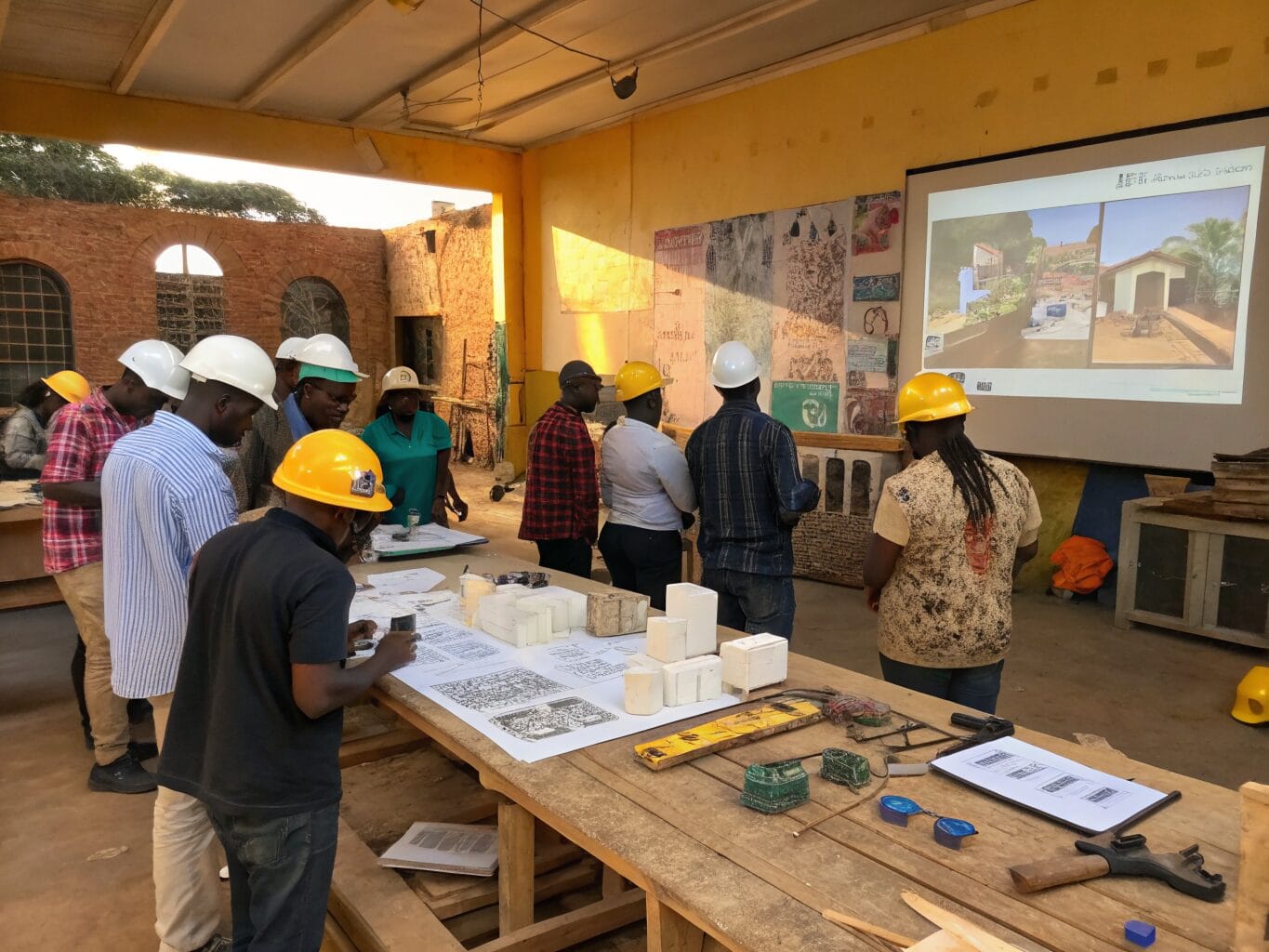
Construction companies and contractors can use AI to answer every enquiry the moment it arrives, qualify which leads are worth bidding, showcase past projects with video, and follow up through long project cycles so no job slips away. In construction the winner is rarely the best builder. It is the one who responds first, proves quality fastest, and never lets a serious lead go cold. AI is how a small firm does all three without a bigger team.
This is the complete 2026 playbook for using artificial intelligence to win more and better construction work, whether you are a general contractor, a builder, a remodeler, or a specialty trade. It is written for the people running the business, not for IT departments, and every section links to a deeper, practical guide. It is part of our series on AI for businesses.
The real problem is not finding work. It is winning the right work fast enough
Consider a mid-sized contractor with a strong reputation and a phone that rings often. On paper, business is fine. In reality, a project manager is on a scaffold at 10am when three enquiries come in: a homeowner ready to start a renovation, a developer pricing a small commercial fit-out, and someone who is collecting five quotes and will never call back. By the time he climbs down at noon, two of those callers have already hired the competitor who answered on the first ring. The firm did not lose those jobs on skill or price. It lost them to a missed call.
This is the defining pattern of the industry, and the numbers are blunt. Contractors who respond to a new lead within five minutes are nine times more likely to convert it than those who reply later, and those who answer within an hour are seven times more likely to qualify it (Source: Marketing LTB and ProjectMark construction lead guides, 2026). Meanwhile 87% of clients research contractors online before they ever make a call (Source: BSPKN construction marketing playbook, 2026). The work is out there. The question is whether you are the first to respond and the fastest to build trust.
There is a second, quieter drain: bidding on the wrong jobs. Studies of contractor pipelines find firms receive around 47 leads a month but turn only about 7 into an actual bid, and undifferentiated pipelines convert bids to projects at roughly 14%, versus 31% when leads are properly qualified first (Source: WordStream 2025 and LeadGulls 2026 analyses). In plain terms: most of the time your estimators spend is wasted on people who were never going to hire you. Winning is not about more leads. It is about answering faster and bidding smarter.

The five stages where AI wins construction work
Think of it as a journey from a stranger’s first search to a signed contract. AI strengthens every stage. Follow the link under each for the detailed how-to.
1. Get found when clients search, including when they ask AI
Clients now ask tools like ChatGPT and Google’s AI “who is a good contractor for X,” and firms that structure their information well get recommended within weeks. See how to get found when clients ask AI for a contractor.
2. Answer every enquiry the instant it arrives
Since the first responder usually wins, missing a call is losing a job. AI can answer, greet, and capture every enquiry around the clock, even while your crew is on site. See how to answer every enquiry call, even after hours.
3. Qualify leads so you bid only the right jobs
Not every enquiry deserves an estimate. AI can sort the serious, budgeted buyer from the quote-collector before your estimator spends a day on it. See how to qualify leads so you bid the right jobs.

4. Sell the job with video and visual proof
Construction is visual and high-trust. A short project walkthrough or before-and-after reel closes higher-value work than any brochure. See how to sell projects with video and visual proof.
5. Follow up through long cycles so no bid goes cold
Big projects take weeks or months to decide. Most are lost to silence, not rejection. AI keeps every serious lead warm until they are ready. See how to follow up through long project cycles so no bid goes cold.
Where to start this week
If you fix one thing, fix response speed: make sure every call and message is answered immediately, because that single change wins jobs you are currently losing to nothing more than a busy signal. Then tighten how you qualify, so your estimators only price work worth pricing. To get discovered by clients actively looking, make sure your firm is listed and well presented in the construction directory.
Frequently asked questions
What is the single most valuable use of AI for a contractor?
Responding to every new enquiry instantly. Because a contractor who replies within five minutes is around nine times more likely to win the job, an AI assistant that answers and captures every call and message, even after hours, directly turns leads you are currently missing into booked estimates and signed projects.
Will AI help me win bigger commercial projects?
Yes, indirectly but powerfully. AI helps you respond faster, qualify which large enquiries are real, present past projects professionally with video, and nurture long decision cycles. Commercial work is won on responsiveness, credibility, and follow-through, which are exactly the areas AI strengthens.
Is AI worth it for a small contracting business?
Often it matters more for small firms, because you cannot afford a full-time receptionist or marketing team. AI lets a small contractor respond and follow up like a much larger company, which is precisely what levels the field against bigger competitors with more staff.
Do I need a website to benefit?
It helps but is not essential to start. Much of the value comes through fast phone and message response, a complete directory and Google profile, genuine reviews, and video of your work. A website strengthens your visibility over time, but you can win your first AI-driven results without one.
Which parts of construction does this apply to?
All of them: general contractors, home builders, remodelers, and specialty trades such as electrical, plumbing, roofing, and finishing. The tools are the same; only the projects and the language change. Whether you build homes or fit out offices, the winner is still the fastest, most credible responder.
Updated July 2026. Figures are cited with their source and date; benchmarks vary by market and change over time. This is general business information.