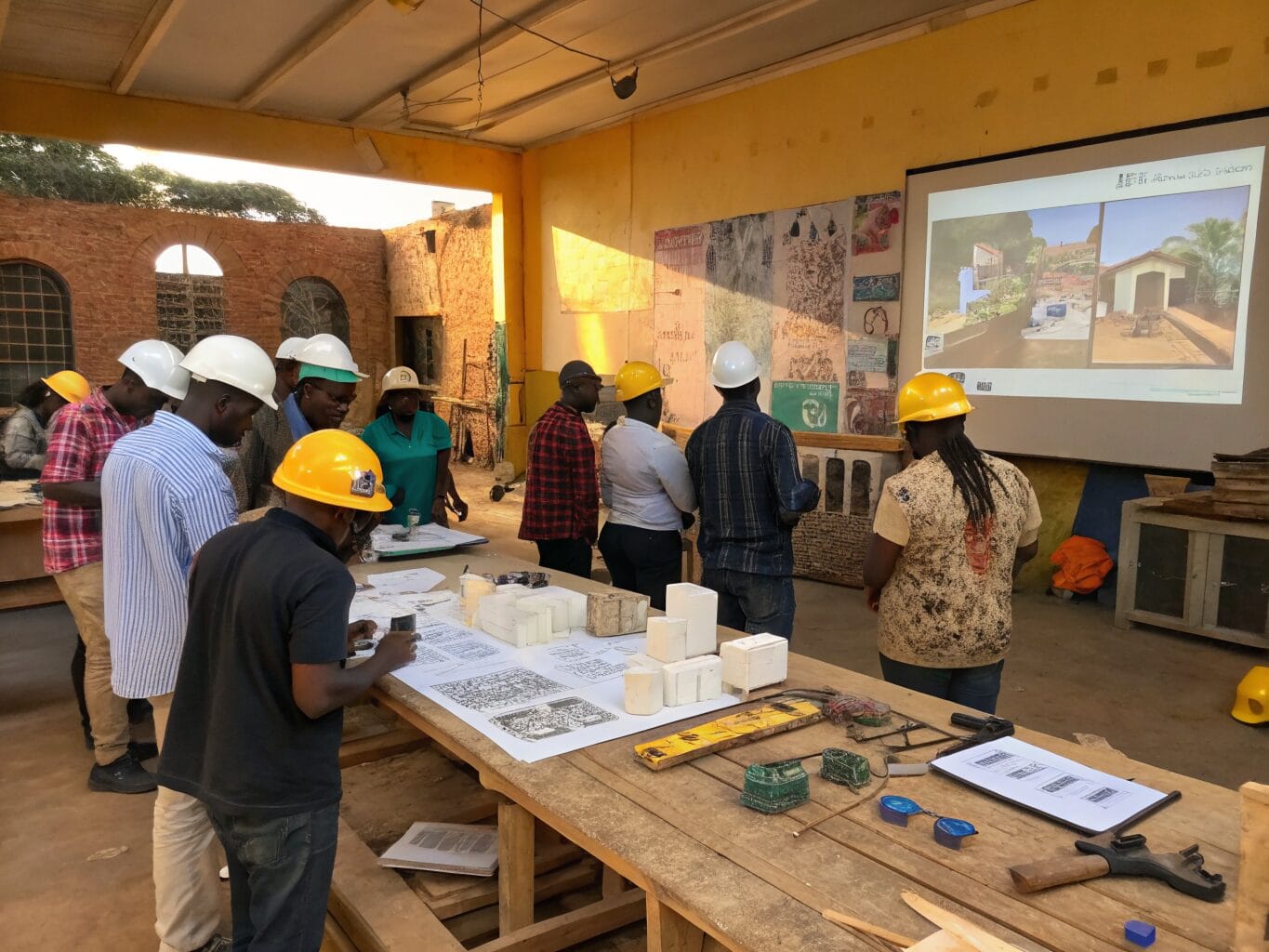
Hard Costs vs. Soft Costs: Understanding Your Budget’s Core Components
In the complex world of project management, especially within construction, a budget isn’t just a single number; it’s a meticulously crafted tapestry of expenses. Yet, many projects falter due to an incomplete understanding of where money truly goes. Unraveling the intricacies of “hard costs” and “soft costs” is not merely an accounting exercise; it’s a fundamental step toward accurate planning, effective financial control, and ultimate project success. This distinction is paramount for anyone aiming to manage budgets with precision and foresight.
The Foundational Pillars of Project Budgeting
Every major undertaking, from building a skyscraper to launching a new product, involves a myriad of expenses. These can broadly be categorized into two critical groups: hard costs and soft costs. Understanding each, and how they interact, is the bedrock of robust financial planning.
Demystifying Hard Costs
Hard costs represent the tangible, physical elements of a project. These are the expenses directly related to the actual construction, manufacturing, or physical creation of the asset. When you think of “what you can touch and see,” you’re generally thinking about hard costs. They are often the most straightforward to identify and quantify, forming the bulk of visible project spending.
- Materials: Steel, concrete, lumber, wiring, piping, roofing, insulation, windows, doors, bricks, paint – all raw and finished materials used in construction.
- Direct Labor: Wages for on-site workers, including carpenters, electricians, plumbers, masons, welders, and other tradespeople directly involved in building.
- Equipment Rental/Purchase: Costs associated with cranes, excavators, forklifts, scaffolding, power tools, and other machinery used for the physical work.
- Site Preparation: Demolition, excavation, grading, land clearing, and other activities to make the site ready for construction.
- HVAC, Plumbing, Electrical Systems: Installation of heating, ventilation, air conditioning, water supply, drainage, and power distribution systems.
- Finishes and Fixtures: Flooring, cabinetry, countertops, lighting fixtures, appliances, and other elements that complete the interior and exterior.
- Landscaping: Costs for hardscaping (patios, walkways) and softscaping (plants, trees, sod) directly tied to the physical property.
In essence, hard costs are the direct construction cost components that bring a structure or product into physical existence.
Unpacking Soft Costs
Soft costs, by contrast, are the intangible, indirect, and administrative expenses necessary to plan, manage, and complete a project. They don’t directly contribute to the physical structure but are crucial for its legality, functionality, and success. Often less visible than hard costs, they can accumulate quickly and, if underestimated, significantly impact a project’s financial viability.
- Architectural and Engineering Fees: Costs for design, blueprints, structural analysis, mechanical, electrical, and plumbing (MEP) designs.
- Permits and Licenses: Fees paid to local, state, and federal authorities for approvals, building permits, zoning variances, and environmental clearances.
- Legal Fees: Expenses for contract review, property acquisition, litigation, and regulatory compliance.
- Insurance: Builder’s risk, general liability, professional liability (E&O), and workers’ compensation insurance during the project lifecycle.
- Project Management Fees: Costs for the overall coordination, scheduling, budget tracking, and oversight of the project by a project manager or firm.
- Financing Costs: Loan origination fees, interest payments during construction, appraisal fees, and other expenses related to securing project funding.
- Property Taxes: Taxes levied on the property during the construction period (which can sometimes be capitalized).
- Marketing and Sales: For commercial projects, costs associated with promoting and selling the finished product (e.g., brokerage fees, advertising).
- Feasibility Studies and Surveys: Expenses for site surveys, environmental impact assessments, soil testing, and market research.
- Testing and Inspection: Fees for independent structural inspections, material testing, and quality assurance checks.
- Utility Connection Fees: Costs to connect to municipal water, sewer, gas, and electricity grids.
Soft costs represent the essential overhead and administrative construction cost components that make physical construction possible and compliant.
Why the Distinction Matters: Impact on Your Budget
Understanding the difference between hard and soft costs is not just an academic exercise; it has profound implications for budgeting, risk management, and overall project control. Miscalculating either can lead to significant financial distress and project delays.
Key Differences and Their Implications
While both are integral to a project’s budget, hard and soft costs differ in several critical ways that influence how they are planned for, financed, and managed throughout the project lifecycle.
| Characteristic | Hard Costs | Soft Costs |
|---|---|---|
| Nature | Tangible, physical, direct construction | Intangible, service-oriented, indirect, administrative |
| Visibility | Highly visible, easily accounted for | Less visible, often overlooked or underestimated |
| Variability | Can be subject to material price fluctuations, labor rates | Can vary based on project complexity, regulatory environment, professional fees |
| Timing | Predominantly incurred during the physical construction phase | Often front-loaded (design, permits) but also ongoing (management, financing) |
| Financing | Typically the primary focus for construction loans, easier to collateralize | Can be harder to finance, sometimes requiring separate or earlier funding |
| Flexibility | Less flexible once committed (e.g., foundation poured) | Potentially more flexible in early stages, but can become fixed (e.g., permit fees) |
The Risks of Underestimating Soft Costs
A common pitfall in budgeting is to focus predominantly on hard costs, assuming soft costs will be minimal or can be absorbed. This oversight is a significant risk factor:
- Budget Overruns: Unaccounted-for soft costs can quickly erode contingency funds, leading to projects exceeding their allocated budgets.
- Project Delays: Delays in securing permits, approvals, or legal reviews can halt construction, incurring additional financing costs and extending timelines.
- Legal and Regulatory Issues: Neglecting necessary permits, environmental studies, or legal counsel can result in fines, project stoppages, or even abandonment.
- Inaccurate Valuation: If soft costs are not properly tracked, the true total cost of ownership or development will be misrepresented, affecting future appraisal or sale values.
- Scope Creep: Without proper project management (a soft cost), the project scope can expand uncontrollably, impacting both hard and soft costs.
Strategic Budgeting: Leveraging Hard and Soft Cost Knowledge
Armed with a clear understanding of hard and soft costs, project managers and stakeholders can develop more robust and realistic budgets. This knowledge enables better decision-making, proactive risk management, and more efficient resource allocation.
Best Practices for Managing Construction Cost Components
Comprehensive Cost Planning
- Early Identification: Engage architects, engineers, and legal counsel early in the planning phase to estimate soft costs accurately.
- Detailed Breakdown: Create a granular budget that explicitly separates hard and soft costs, providing sub-categories for each.
- Contingency Planning: Allocate a healthy contingency fund (typically 10-20% of the total budget) specifically to address unforeseen soft and hard cost increases.
- Regular Review: Continuously monitor and update cost estimates throughout the project lifecycle, comparing actuals against budgeted figures.
Negotiation and Value Engineering
Understanding the different cost categories allows for targeted negotiation. For hard costs, focus on material suppliers and direct labor contracts. For soft costs, negotiate professional fees, insurance premiums, and financing terms. Value engineering – finding less expensive ways to achieve the same functional outcome – can be applied to both, for instance, by optimizing a structural design (soft cost) to reduce material usage (hard cost).
Project Lifecycle Considerations
Soft costs often dominate the initial phases of a project (feasibility, design, permits), while hard costs become predominant during the construction phase. However, soft costs like project management and financing continue throughout. Recognizing this shifting financial landscape allows for better cash flow planning and funding strategies.
Frequently Asked Questions (FAQs)
Are Hard Costs Always Higher Than Soft Costs?
Generally, yes, especially in traditional construction projects, hard costs represent the largest portion of the budget. However, for highly complex or regulated projects (e.g., advanced engineering, pharmaceutical facilities, or projects with extensive environmental studies), soft costs can constitute a surprisingly significant percentage, sometimes even approaching or exceeding 30-40% of the total project cost. Smaller renovation projects might also see soft costs take a larger relative share.
How Can I Accurately Estimate Soft Costs?
Accurate soft cost estimation requires a multi-pronged approach: consult with experienced professionals (architects, engineers, legal counsel) for their fee structures, review budgets from similar past projects, research local permit fees and regulatory requirements, and factor in a generous contingency for unexpected administrative or regulatory hurdles.
Can Soft Costs Be Financed?
Yes, soft costs are frequently included in construction loans or development financing packages. Lenders recognize that these expenses are crucial for a project’s success. However, the terms for financing soft costs might differ from hard costs, and some lenders may require a higher equity contribution for certain soft cost categories, especially those incurred early in the project.
Conclusion: Building a Resilient Budget
The distinction between hard costs and soft costs is far more than an accounting nuance; it’s a strategic imperative for anyone involved in project budgeting and execution. By meticulously identifying, planning for, and managing both categories of construction cost components, project stakeholders can gain unparalleled clarity into their financial commitments. This comprehensive understanding empowers better decision-making, mitigates financial risks, and ultimately paves the way for projects to be completed on time, within budget, and to the highest standards of quality. Embrace this fundamental distinction to transform your budgeting process from a hopeful estimate into a robust, resilient financial blueprint for success.