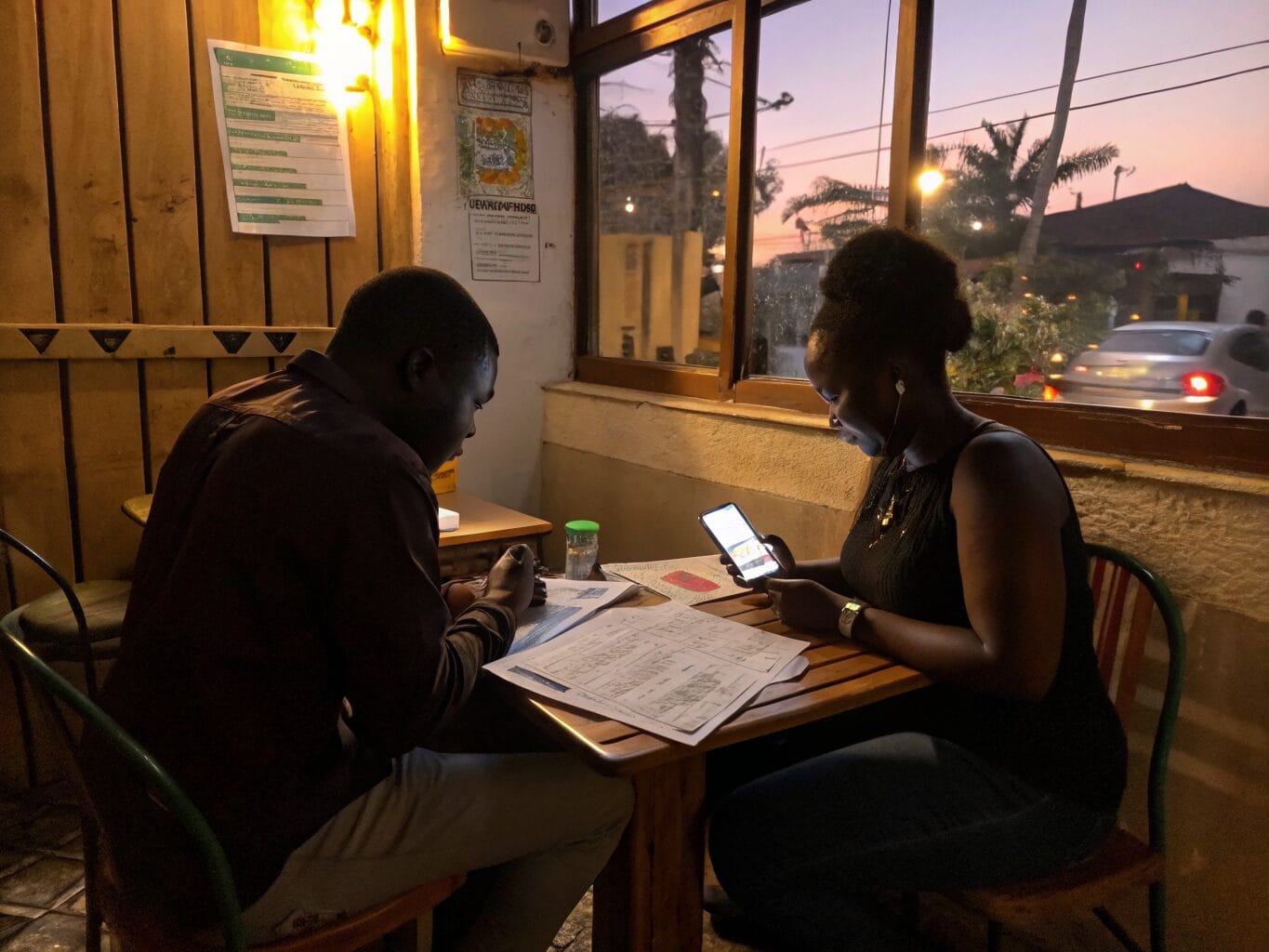
The Mobile Money Revolution
In an increasingly connected world, mobile money has emerged as a transformative force, reshaping financial landscapes and unlocking economic potential for millions globally. Far from being a mere convenience, it represents a profound shift in how individuals and businesses transact, save, and access credit, particularly in emerging markets. This article delves into the core of this revolution, exploring its origins, impact, and the future trajectory of mobile money development.
What is Mobile Money?
Mobile money refers to financial services accessed and managed through a mobile phone. Unlike mobile banking, which typically requires a traditional bank account, mobile money platforms allow users to store, send, and receive money via their phone without needing a formal bank account. Transactions are processed through an agent network, often local shops or kiosks, where users can convert physical cash into electronic funds (cash-in) or vice versa (cash-out).
The Genesis and Evolution of Mobile Money Development
The concept of mobile money first gained significant traction in the mid-2000s, spearheaded by services like M-Pesa in Kenya. Its rise was directly linked to the burgeoning mobile phone penetration in regions where traditional banking infrastructure was scarce or inaccessible to the majority of the population. This initial focus on basic money transfers quickly expanded, paving the way for sophisticated mobile money development that now encompasses a broad spectrum of financial services.
This rapid mobile money development has created entirely new financial ecosystems, challenging established norms and demonstrating the power of technology to bridge financial inclusion gaps. From simple remittances to complex payment solutions, mobile money has become an indispensable tool for economic activity.
Driving Forces Behind the Revolution
Several key factors have fueled the extraordinary growth and impact of mobile money:
- Financial Inclusion: Mobile money provides a lifeline to the “unbanked” and “underbanked” populations, offering them access to safe and affordable financial services previously out of reach.
- Ubiquitous Mobile Penetration: The widespread availability of mobile phones, even basic feature phones, serves as the primary infrastructure for mobile money services.
- Lower Transaction Costs: Compared to traditional banking or informal channels, mobile money often offers significantly lower fees for transfers and payments, making it more accessible for low-income users.
- Convenience and Accessibility: Users can conduct transactions 24/7 from virtually anywhere, eliminating the need for physical branches or ATMs. The extensive agent networks bring services closer to communities.
- Innovation in Mobile Money Development: Continuous innovation in platform features, security, and interoperability has broadened the appeal and utility of mobile money.
Key Services Offered by Mobile Money Platforms
Modern mobile money platforms offer a diverse range of services that go beyond simple cash transfers, continually evolving through dedicated mobile money development efforts:
- Person-to-Person (P2P) Transfers: The foundational service, allowing users to send money to friends and family instantly.
- Bill Payments and Merchant Payments: Facilitating the payment of utility bills, school fees, and purchases at retail outlets directly from a mobile wallet.
- Savings and Credit (Microfinance): Many platforms now offer micro-savings accounts and small loans, enabling users to build financial resilience and invest in small businesses.
- International Remittances: Streamlining cross-border money transfers, often at a lower cost than traditional services, which is vital for diaspora communities.
- Government-to-Person (G2P) Payments: Governments utilize mobile money for efficient disbursement of social welfare payments, emergency aid, and salaries.
The Impact: Transforming Economies and Societies
Empowering Financial Inclusion
The most profound impact of mobile money is its role in financial inclusion. By providing access to basic financial services, it empowers individuals to save, manage money, and mitigate financial shocks, lifting many out of poverty and increasing their participation in the formal economy. This is a critical aspect of sustainable mobile money development.
Boosting Economic Growth
Mobile money stimulates local economies by facilitating faster, more transparent, and more secure transactions. It supports small and medium-sized enterprises (SMEs) by enabling digital payments, improving cash flow management, and opening new markets. The increased velocity of money and formalization of transactions contribute significantly to national GDPs.
Enhancing Convenience and Efficiency
For individuals, mobile money saves valuable time and resources previously spent traveling to distant banks or waiting in long queues. For businesses, it reduces the risks associated with handling physical cash and improves operational efficiency, particularly in supply chains and payment processing.
Challenges and Risks in Mobile Money Development
Despite its immense success, mobile money development faces several challenges that need careful navigation:
- Regulatory Hurdles: Striking a balance between fostering innovation and ensuring consumer protection, anti-money laundering (AML), and know-your-customer (KYC) compliance can be complex.
- Security Concerns: The rise of fraud, phishing, and hacking attempts poses a constant threat, requiring robust security measures and continuous user education.
- Agent Network Management: Maintaining a reliable, liquid, and well-trained agent network across diverse geographical areas can be challenging.
- Interoperability Issues: The lack of seamless interoperability between different mobile money providers or with traditional banks can fragment the market and limit user choice.
- Digital Literacy Gaps: A significant portion of the target demographic may lack the digital literacy required to use mobile money services effectively and securely.
Mobile Money vs. Traditional Banking: A Comparison
While both aim to provide financial services, mobile money and traditional banking cater to different needs and operate with distinct models, particularly in the context of mobile money development.
| Feature | Mobile Money | Traditional Banking |
|---|---|---|
| Accessibility | High (via basic mobile phones, extensive agent networks) | Moderate (via physical branches, ATMs, digital apps; often requires formal ID/credit history) |
| Target Audience | Primarily unbanked/underbanked, low-income segments, and general population seeking convenience | Broader population, often requiring more stringent documentation and higher transaction volumes |
| Transaction Costs | Generally lower, especially for small, frequent transactions | Can vary, potentially higher for small transactions or specific services; often higher for cross-border |
| Infrastructure Needs | Basic mobile phone, reliable agent network, digital platform | Extensive physical branches, ATMs, complex IT systems, clearing houses |
| Speed/Convenience | Instant, 24/7, from remote locations | Varies, often limited by banking hours, location, and processing times for certain transactions |
| Regulatory Burden | Evolving, often more flexible to encourage innovation and inclusion; focuses on e-money regulations | Highly regulated, extensive compliance with banking laws, capital requirements, and consumer protection |
| Product Range | Core services: transfers, payments, micro-savings/loans; expanding rapidly | Comprehensive: checking, savings, loans, mortgages, investments, wealth management |
The Future of Mobile Money Development
The trajectory for mobile money is one of continued growth and sophistication, driven by technological advancements and evolving user needs.
Emerging Trends and Innovations
- Integration with FinTech: Deeper collaboration with broader FinTech ecosystems, including insurtech, agritech, and edutech, will create more holistic financial solutions.
- Cross-border Payments: Enhanced interoperability and partnerships will simplify and reduce the cost of international remittances, benefiting global economies.
- AI and Blockchain in Mobile Money: Artificial intelligence will improve fraud detection, personalize financial advice, and streamline customer service. Blockchain technology may offer more secure and transparent transaction processing.
- Open APIs and Ecosystem Expansion: Open Application Programming Interfaces (APIs) will allow third-party developers to build innovative services on top of existing mobile money platforms, further expanding their utility.
Recommendations for Sustainable Growth
To ensure robust and responsible mobile money development, stakeholders should focus on:
- Foster a Supportive Regulatory Environment: Regulators must create adaptive frameworks that balance innovation with consumer protection and financial stability.
- Invest in Digital Literacy: Education campaigns are crucial to empower users with the knowledge and skills to use mobile money safely and effectively.
- Enhance Security Protocols: Continuous investment in cybersecurity and fraud prevention measures is paramount to maintain user trust.
- Promote Interoperability: Encouraging seamless transactions between different mobile money providers and traditional banks will foster a more integrated financial ecosystem.
Frequently Asked Questions About Mobile Money
What is the primary benefit of mobile money?
The primary benefit of mobile money is its unparalleled ability to extend essential financial services to populations previously excluded from traditional banking, thereby fostering significant financial inclusion and economic empowerment.
Is mobile money secure?
Mobile money platforms employ multiple layers of security, including PIN protection, transaction encryption, and limits on transaction values. While robust, users must also practice vigilance to protect their personal information and avoid common scams.
How does mobile money contribute to development?
Through its facilitation of easier payments, reduced transaction costs, efficient remittances, and access to micro-savings and credit, mobile money significantly contributes to economic development by formalizing economic activities, stimulating small businesses, and enhancing financial resilience at both individual and national levels.
Conclusion: A Paradigm Shift in Finance
The mobile money revolution is much more than a technological trend; it is a fundamental redefinition of financial access and empowerment. By leveraging the ubiquity of mobile phones, it has dismantled barriers to financial inclusion, stimulated economic growth, and offered unparalleled convenience to billions. While challenges persist in its ongoing mobile money development, the continuous innovation and strategic efforts by providers, regulators, and users promise an even brighter future. As digital finance continues to evolve, mobile money will undoubtedly remain at the forefront, driving progress towards a more inclusive and efficient global financial system.