Hotels, guesthouses, and resorts can use AI to answer every booking enquiry the instant it arrives, win more direct bookings that escape the 15 to 25% commission online travel agencies charge, sell the experience with video, and turn one-time guests into repeat visitors. The biggest prize is owning the guest relationship, because a direct booking is worth far more than the same room sold through a platform, and it is yours to win back again.
This is the complete 2026 playbook for using artificial intelligence to fill more rooms, more profitably, whether you run a boutique hotel, a guesthouse, a resort, or a short-stay villa. It is written for owners and managers, not technical teams, and each section links to a deeper, practical guide. It is part of our series on AI for businesses.
The quiet leak in almost every hotel’s revenue
Picture a well-run 20-room hotel. It is busy, reviews are good, occupancy is healthy. Yet at the end of each month, a large slice of its revenue quietly vanishes before it ever reaches the bank: the commission paid to the booking platforms that brought most of its guests. On a room selling at $200 a night, handing 15 to 25% to an online travel agency means losing $30 to $50 on every single booking, night after night, room after room. Over a year, for a small hotel, that is easily the price of a full renovation, gone.
The platforms are not villains; they bring real demand, especially to newer properties and international travellers who would never have found you otherwise. But depending on them almost entirely is where hotels bleed. Commission rates typically run 15 to 25%, and effectively 18 to 30% once visibility and loyalty add-ons are included (Source: OtelCiro Hotel Distribution Costs 2026 and SiteMinder). Worse, those bookings are fragile: platform bookings cancel at around 21.8%, roughly double the 10.6% cancellation rate of direct bookings (Source: Cloudbeds 2026 State of Independent Hotels Report).
Here is the part most owners underestimate. A direct guest is not just commission-free; they are worth far more. Analysis of 125 million reservations found direct bookings averaged about $516 in value against roughly $312 for platform bookings, a premium of over 60%, because direct guests book better rooms, stay longer, and add extras (Source: SiteMinder, 2025). The goal of everything below is simple: own the guest, keep the data, and keep the money.

The five stages where AI fills rooms more profitably
From a traveller’s first search to a returning guest, AI strengthens every stage. Follow the link under each for the detailed how-to.
1. Get found when travellers search, including when they ask AI
Guests now research on search engines, map apps, and AI tools like ChatGPT before booking. The properties that are clearly described and well reviewed are the ones that surface. See how to get found when travellers search and ask AI.
2. Answer every booking enquiry the moment it arrives
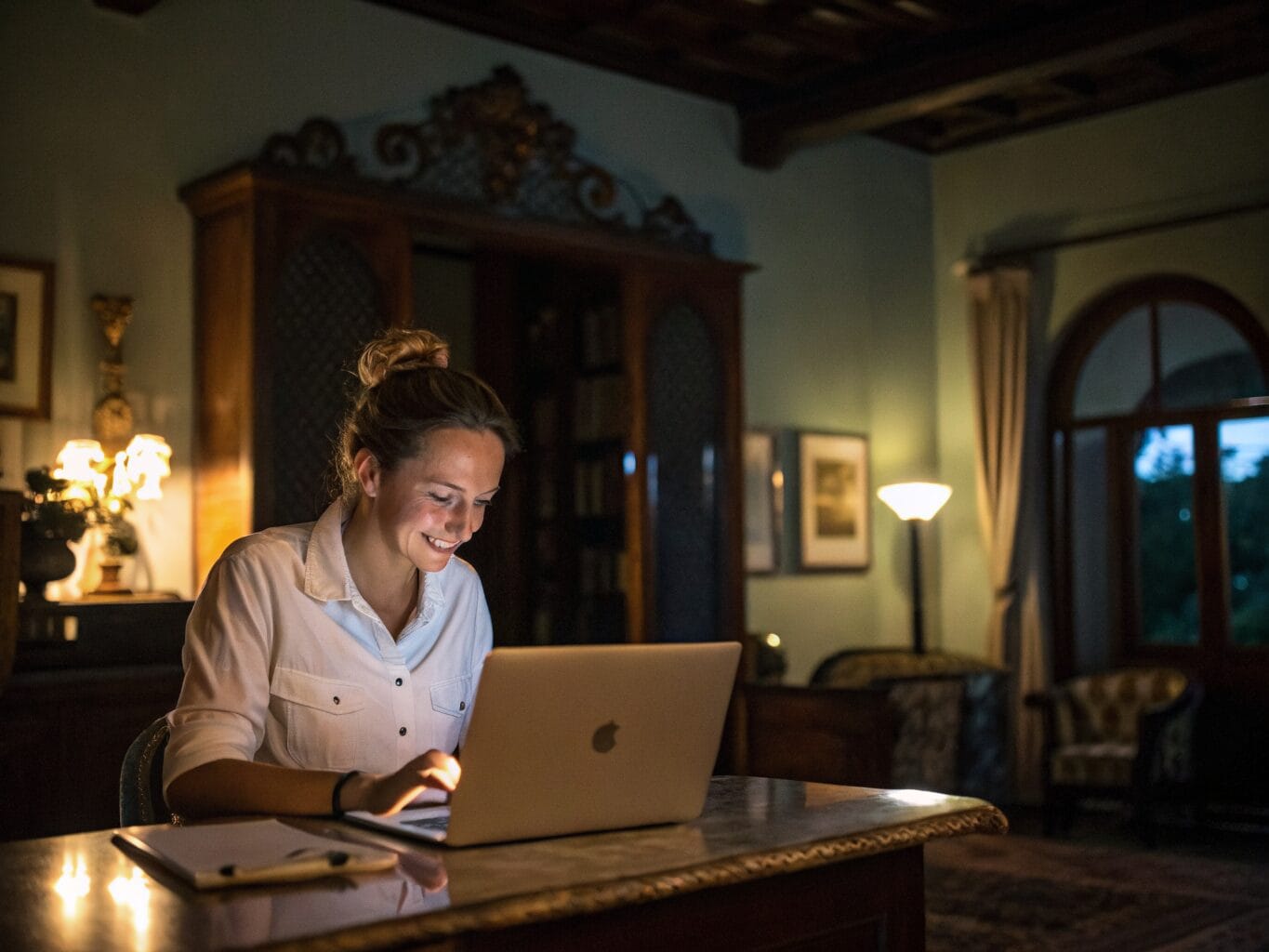
Travellers book with whoever replies first. An enquiry at 9pm that you answer the next morning is usually already booked elsewhere. AI answers instantly, any hour, on any channel. See how to answer every booking enquiry, day or night.
3. Win the direct booking and escape commission
Once you have the enquiry, the aim is to convert it into a direct booking you own, giving the guest a reason to book with you rather than through a platform. See how to win direct bookings and escape 15 to 25% commission.
4. Sell the experience with video
A stay is an emotional, visual purchase. Short videos of the rooms, the views, and the atmosphere convert browsers, especially travellers booking from far away. See how to sell the stay with video.
5. Turn one-time guests into repeat visitors
Because you own the direct guest’s details, you can bring them back for free instead of paying commission to reach them again. See how to turn one-time guests into repeat visitors and referrals.
Where to start this week
Keep the platforms for what they do well, discovery, but fix the two places you lose most: make sure every enquiry is answered instantly, and give every guest a clear reason to book direct next time. Those two changes shift your booking mix toward the guests worth far more to you. To be discovered by travellers actively looking, make sure your property is listed and well presented in the hotels and accommodation directory.
Frequently asked questions
Should hotels stop using online travel agencies?
No. Platforms are valuable for discovery, especially for newer properties and international travellers. The goal is balance: use them to be found, then convert as many guests as possible to direct bookings you own, which are commission-free, cancel less, and are worth more per stay.
What is the single most valuable AI use for a hotel?
Answering every booking enquiry instantly, at any hour. Because travellers book with whoever replies first, an assistant that responds day or night captures reservations you are currently losing to slow or missed replies, and it feeds directly into winning more profitable direct bookings.
Is AI affordable for a small guesthouse?
Yes, and it often matters more for small properties that cannot staff a 24-hour front desk. AI lets a small guesthouse respond and follow up like a large hotel, capturing after-hours enquiries and repeat guests without adding payroll, which is exactly where small properties lose ground.
Which properties does this apply to?
All of them: hotels, boutique properties, guesthouses, resorts, lodges, and short-stay villas or apartments. The tools are the same; only the property and the guest change. Any accommodation that takes bookings and pays platform commission can benefit.
Updated July 2026. Figures are cited with their source and date; benchmarks vary by market and change over time. This is general business information.